If you’re moving from Brooklyn, Magnolia can feel like a plot twist. You’re still in Seattle, but the rhythm changes fast: fewer packed blocks, more sky, more parkland, and a stronger sense of separation from the city around it. If you’re trying to understand whether that trade-off fits your life, this guide will help you decode Magnolia’s pace, housing, access, and everyday feel. Let’s dive in.
Why Magnolia Feels Different
Magnolia is one of Seattle’s most geographically distinct neighborhoods. The City of Seattle describes it as a peninsula neighborhood that is topographically distinct and somewhat isolated from the rest of the city. That physical separation shapes almost everything about how the neighborhood feels day to day.
This is not a neighborhood where every block delivers constant activity. Instead, Magnolia is better understood as a residential enclave with a village center, civic anchors, and major open space. If you’re coming from Brooklyn, that difference is often the first thing you notice.
A Peninsula With Its Own Rhythm
Magnolia’s setting is part of its identity. The neighborhood includes bluff and plateau areas, and Discovery Park on the west side spans more than 530 acres with views over Elliott Bay and the Olympic Mountains. That geography gives Magnolia a calm, elevated quality that feels removed from Seattle’s denser urban districts.
At the same time, Magnolia is not one-note. Its north edge touches working waterfront activity, including Fisherman’s Terminal. So while much of the neighborhood reads as quiet and residential, there is also a maritime edge that adds texture and reminds you that this is still very much Seattle.
A Village Core, Not a Dense Grid
Historic city material describes Magnolia as having a village-like commercial center around West McGraw Street and 34th Avenue West. That detail matters because it tells you what kind of convenience to expect. Magnolia has local anchors, but it is not built like a dense neighborhood where errands, nightlife, and transit all stack on top of each other.
For many relocators, that is the appeal. You trade constant stimulation for a more deliberate daily routine. If Brooklyn often feels like everything is happening at once, Magnolia can feel like a neighborhood where you choose your moments instead.
What Daily Life Looks Like
A recent Seattle planning document states that most of Magnolia west of Interbay is residential and lacks substantial services. In plain English, that means the neighborhood is quieter and less service-dense than many other Seattle areas. You will likely notice that in how you plan your days, your errands, and your commute.
This does not mean Magnolia lacks community life. It means that community life is anchored differently, through neighborhood institutions and open space rather than nonstop retail density.
Civic Anchors Matter Here
Magnolia’s everyday identity is shaped by places that serve local routines. The Seattle Public Library describes the Magnolia Branch as known for its architecture and landscaping, with bus access and free parking. The Magnolia Community Center hosts seasonal events, and Magnolia Playfield sits next to the community center, Blaine Elementary School, and Mounger Pool.
Those details paint a clear picture. Magnolia is locally anchored, not commercially overwhelming. For some buyers, especially those relocating from denser cities, that can feel grounding.
Discovery Park Changes the Equation
Discovery Park is not just a nearby amenity. It is one of the defining features of life in Magnolia. With more than 530 acres, it gives the neighborhood a scale of open space that is hard to match in many city neighborhoods.
If your idea of a good day includes trails, water views, and room to breathe, Magnolia starts to make sense quickly. The park helps explain why the neighborhood feels calmer, more spacious, and more visually open than many urban alternatives.
How Housing in Magnolia Compares
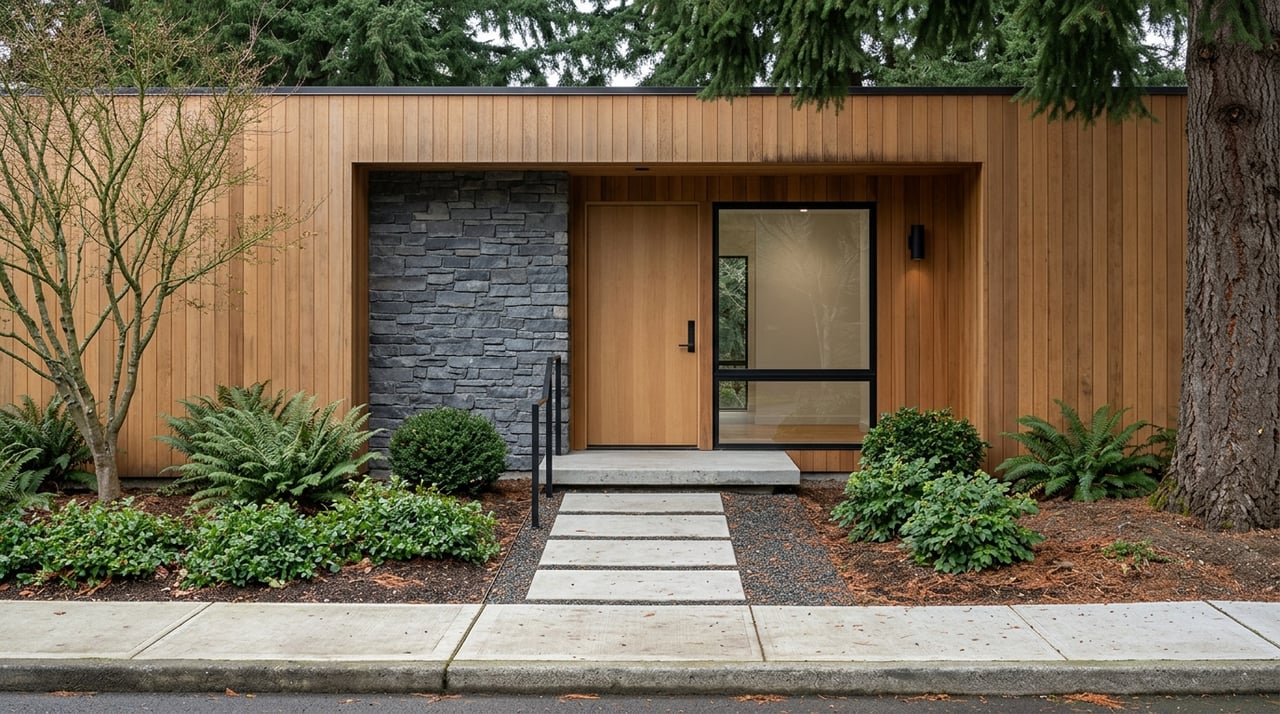
If you are trying to translate Magnolia through a Brooklyn lens, start with one word: space. Historic city material says the plateau areas are largely made up of 1950s- and 1960s-era single-family homes, and that the dominant building type is one- and two-story historic revival or contemporary single-family dwellings. That housing pattern shapes both the neighborhood’s look and its lifestyle.
In short, Magnolia is primarily residential, and detached homes are a major part of the story. That can be a meaningful shift if you are used to apartment living, rowhouse blocks, or denser mixed-use streets.
Space, Privacy, and Views
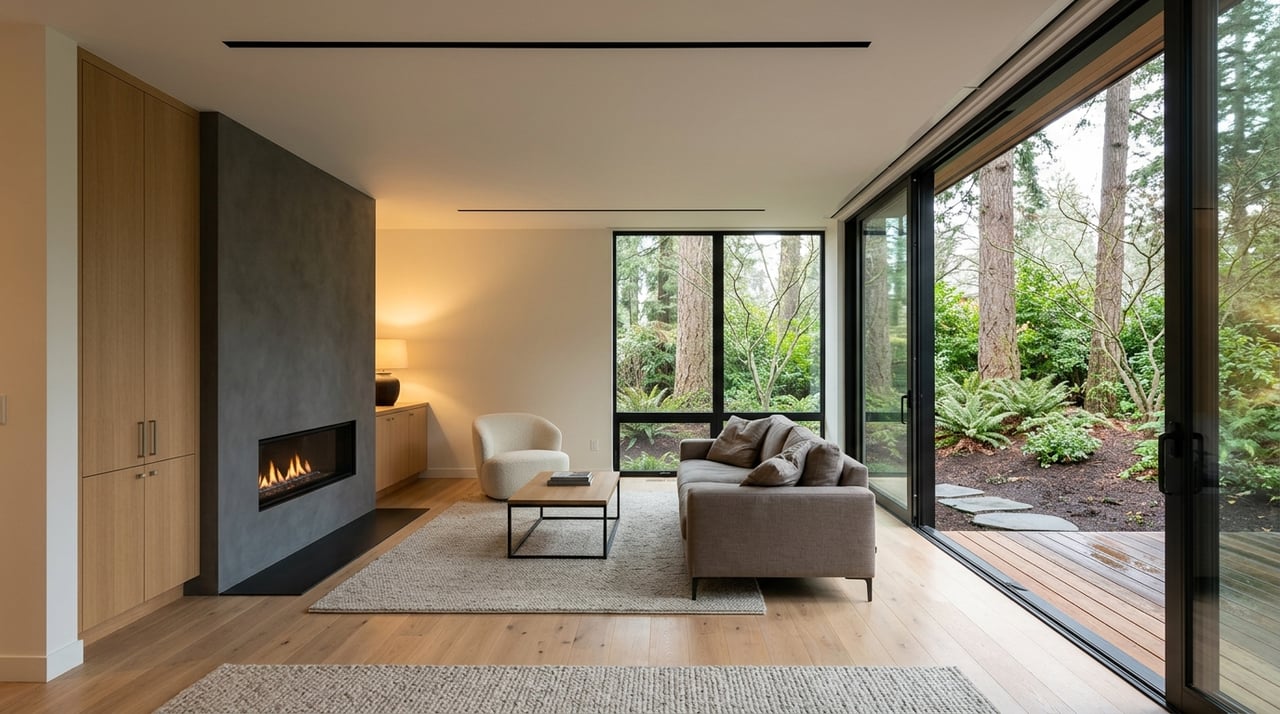
One reason buyers consider Magnolia is the mix of privacy and scenery. Bluff settings, larger residential lots, and proximity to parkland can create a roomier feel than you will find in Seattle’s more compact neighborhoods. In practical terms, that often means a different relationship to home: more separation, more quiet, and in some cases, broader view corridors.
That kind of setting tends to come at a premium. Seattle’s 2025 One Seattle FEIS says that in the broader planning area that includes Magnolia, a three-person household would need income equal to 316% of area median income to afford a median-priced detached home, compared with 216% citywide. The message is simple: space and privacy here are valuable, and the market tends to reflect that.
The Neighborhood Profile in Context
Seattle’s Magnolia neighborhood snapshot showed 40% renter households, 18.1% of residents under 18, and 12.7% age 65 and over. It also reported 66.9% of residents with a bachelor’s degree or higher, a median household income of $89,197, and 5% below poverty. Those figures are older, but they still help explain Magnolia’s broad profile as a relatively established, primarily residential part of Seattle.
For a buyer, this is less about labels and more about expectations. Magnolia often appeals to people looking for a steadier residential setting, not a neighborhood built around constant turnover or high-intensity street life.
Getting Around Magnolia
Access is one of Magnolia’s biggest lifestyle trade-offs. King County Metro currently shows Route 24 connecting Magnolia, Seattle Center, and Downtown Seattle; Route 33 connecting Discovery Park and Magnolia to Seattle Center and Downtown Seattle; and Route 31 serving Magnolia and the U District. So the neighborhood is connected, but the structure of that access matters.
Magnolia is bus-served and bridge-dependent rather than rail-centered. If you are moving from a place where transit is part of the background hum of daily life, this is one of the clearest differences to understand upfront.
Bridge Dependence Is Real
SDOT says there are four bridge connections into Magnolia, and the city is actively studying the 90-year-old Magnolia Bridge along with emergency closure planning. That does not mean access is fragile every day, but it does mean bridges are part of the neighborhood’s practical reality.
For some people, this reinforces Magnolia’s appeal. The same physical separation that can make access feel less frictionless also helps preserve a quieter residential atmosphere. Whether that feels charming or inconvenient depends on what you value most.
Is Car-Light Living Possible?
It can be workable, but it is not the same as living in a rail-heavy urban core. Magnolia has direct bus service to key parts of Seattle, and that gives residents real options. Still, the neighborhood is generally less effortless for car-light living than denser, more transit-saturated areas.
If you are relocating from Brooklyn, this is the question to take seriously. Magnolia can offer a calmer home base, but it usually asks for more planning in return.
Why Brooklyn Buyers Often Look Here
For some relocators, Magnolia solves a specific problem. You want Seattle, but you do not want your life to feel compressed by noise, density, or nonstop motion. You want a neighborhood that feels residential and grounded, while still offering access to Downtown, Seattle Center, and the rest of the city.
That is where Magnolia can click. It offers a calmer daily rhythm, more visual openness, and a stronger sense of separation than many close-in neighborhoods. If Brooklyn taught you to value energy but also to crave breathing room, Magnolia can feel like a thoughtful next chapter.
The Trade-Offs Are the Story
The best way to understand Magnolia is not as a perfect substitute for a dense urban neighborhood. It is a different proposition. You gain space, privacy, views, and proximity to major open space, but you give up some convenience, spontaneity, and transit ease.
That trade-off is not a flaw. It is the neighborhood’s defining logic. The right buyer usually sees that clearly and chooses Magnolia because of it, not despite it.
Change Is Still Part of Magnolia
Even neighborhoods with a steady feel are not frozen in time. The city describes Fort Lawton redevelopment as an opportunity to add affordable housing and open space in Magnolia. So while Magnolia often feels calm and established, future change is still part of the conversation.
That is useful context if you are thinking long term. A neighborhood can feel stable while still evolving, and understanding both sides of that is part of making a smart move.
If you’re weighing Magnolia against Ballard, Queen Anne, or another Seattle neighborhood, the most helpful step is to translate the lifestyle honestly. That is especially true if you’re relocating from out of state and trying to map one city experience onto another. If you want a strategic, neighborhood-specific read on where Magnolia fits and how to buy or sell here with clarity, connect with Michael Green.
FAQs
What is Magnolia in Seattle like for someone moving from Brooklyn?
- Magnolia is generally quieter, more residential, and more physically separate from the city than a dense Brooklyn neighborhood, with more parkland, more detached homes, and a slower daily rhythm.
What kind of homes are most common in Magnolia?
- City historical material describes Magnolia’s housing stock as largely one- and two-story single-family homes, especially on the plateau areas, with many homes dating to the 1950s and 1960s.
How do you get in and out of Magnolia Seattle?
- Magnolia is connected by bus routes including Metro Routes 24, 31, and 33, and SDOT says the neighborhood has four bridge connections linking it to the rest of Seattle.
Is Magnolia Seattle transit-friendly without a car?
- Magnolia can work for car-light living because it has direct bus service to places like Downtown Seattle, Seattle Center, and the U District, but it is less effortless than rail-centered neighborhoods.
Why do buyers choose Magnolia in Seattle?
- Many buyers are drawn to Magnolia for its space, privacy, bluff-and-park setting, residential feel, and access to Discovery Park, while accepting a quieter, less service-dense environment.
Is Magnolia Seattle changing in the future?
- Yes. The city frames Fort Lawton redevelopment as a future opportunity to add affordable housing and open space, which shows that Magnolia is evolving even as much of its day-to-day character remains calm.