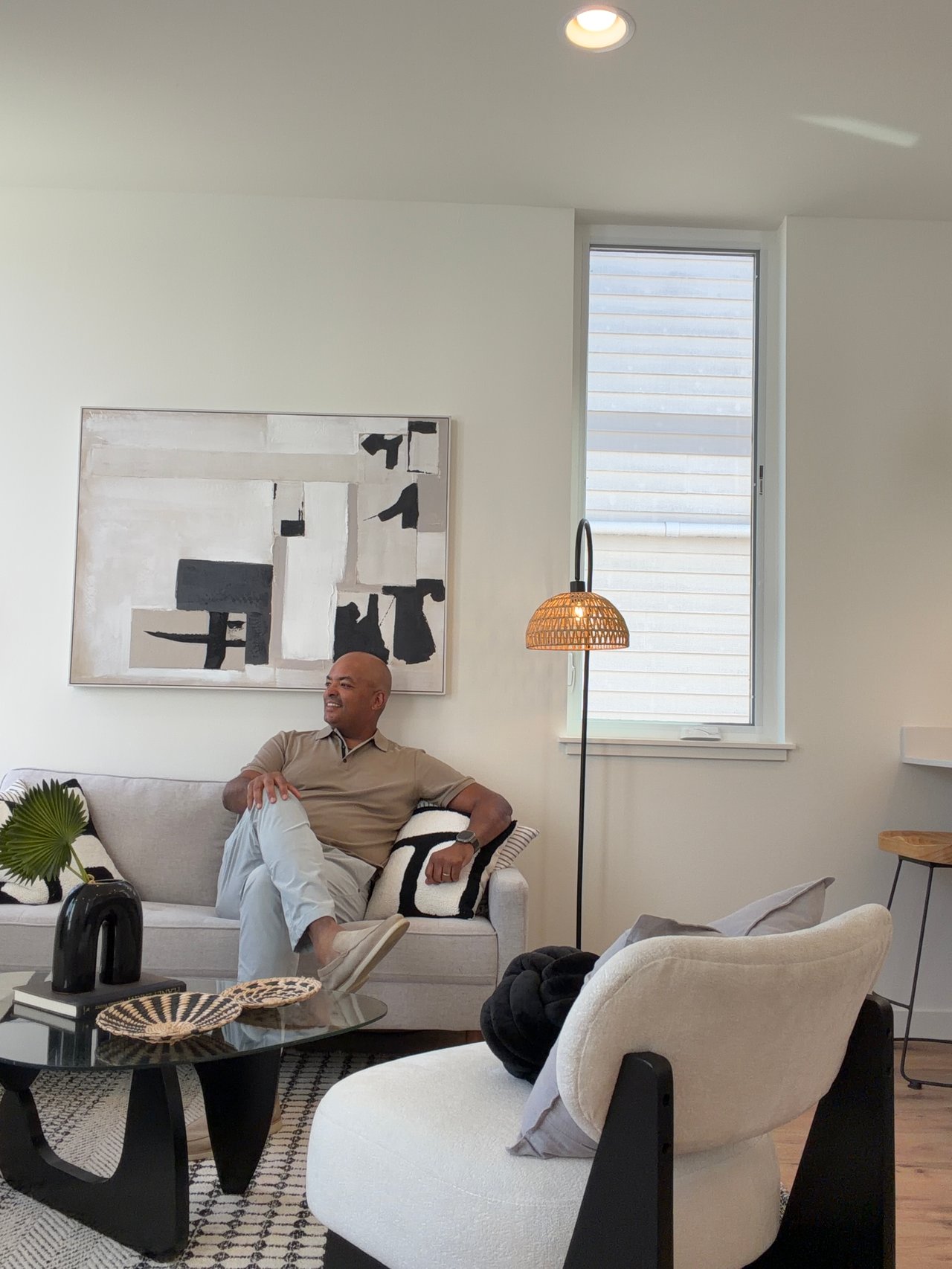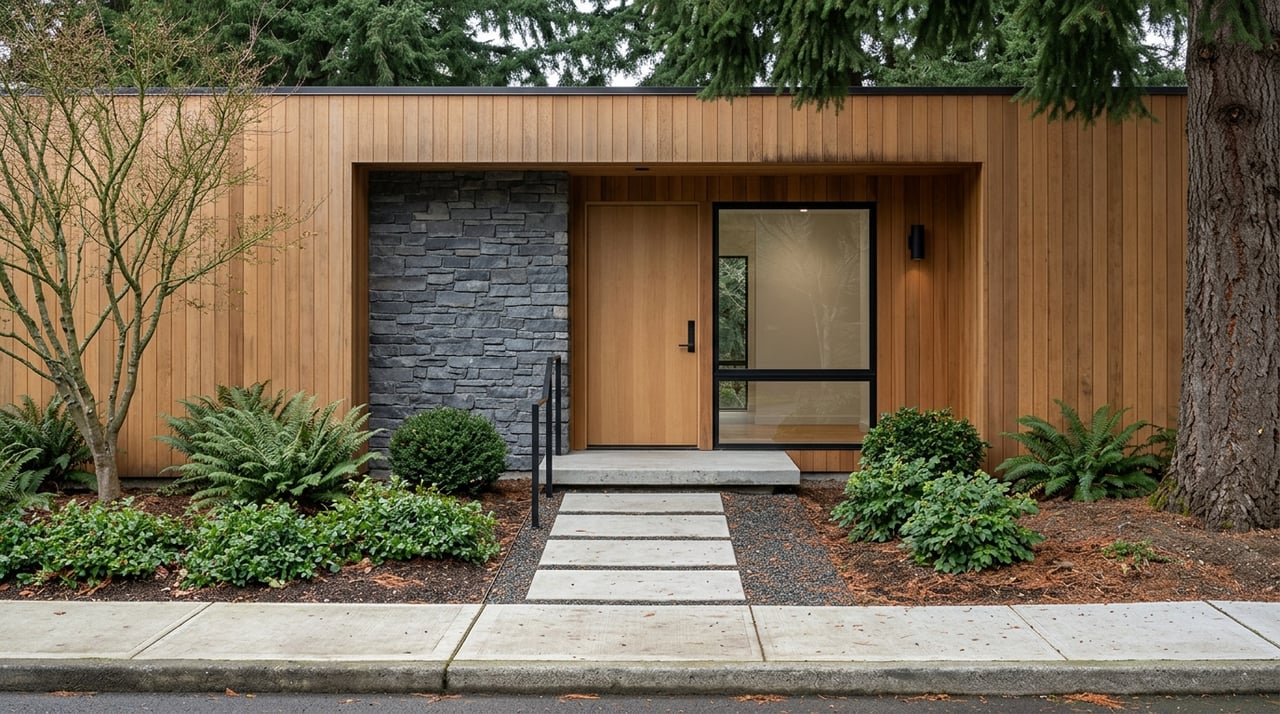
Ever wonder why Magnolia homes can feel so different from one block to the next, yet still seem unmistakably Magnolia? If you love architecture, this neighborhood rewards a closer look. From formal revival-era facades to low-slung midcentury lines and view-driven modern homes, Magnolia’s design story is really about how houses respond to the land. Let’s dive in.
Magnolia’s design story starts with the land
Magnolia is easier to understand when you look at its geography first. Seattle historical records describe the neighborhood as a peninsula shaped by hills, a valley, and bluff edges, with development delayed for years because access was limited and the terrain was challenging.
That history still shows up in the housing stock today. Much of Magnolia’s residential development dates from about 1930 to 1960, and King County describes the area as primarily residential with larger lots, a more suburban-feeling street pattern, and strong demand for water, mountain, and city views.
That combination helps explain why Magnolia often feels more spacious than denser Seattle neighborhoods. It also explains why so many homes here seem carefully tuned to slope, privacy, daylight, and outlook.
Why Magnolia homes feel view-oriented
In Magnolia, the setting is part of the architecture. Discovery Park, Magnolia Park, and Magnolia Boulevard all reinforce the neighborhood’s bluff-top identity, with sightlines shaped by trees, ridge lines, Puget Sound, and distant mountains.
That means homes here are often designed with two personalities. The street side may feel modest or private, while the rear or upper levels open up more fully to light and views.
King County’s 2024 appraisal report notes that about 40% of parcels in the area have some degree of view, often toward Puget Sound, the Seattle skyline, the Cascades, or the Olympics. For a design-minded buyer, that matters because the best Magnolia homes are not just a style choice. They are a site response.
Traditional homes in Magnolia
What defines the look
Traditional and period-revival homes are one of Magnolia’s clearest style families. These houses often have balanced facades, pitched roofs, multi-pane windows, and a more formal, composed look from the street.
In Washington style guidance, that vocabulary shows up in Cape Cod Revival, Colonial Revival, and Williamsburg Revival forms. In Magnolia, those cues fit naturally with the neighborhood’s older housing stock and its quieter, more established streets.
Why they work here
Traditional homes often handle Magnolia’s lots with restraint. From the front, they may look symmetrical and compact, which can help them sit neatly on a sloped or elevated site.
At the same time, these homes can still take advantage of the lot behind the facade. In Magnolia, it is common to see a more reserved front elevation paired with a backyard, deck, or interior layout that feels more open than the street view suggests.
Where the style shows up locally
Magnolia’s broader visual character supports this design language. Local historic inventory includes Colonial Revival officers’ quarters at Fort Lawton, showing that revival-era forms are part of the neighborhood’s architectural DNA beyond just single-family homes.
Midcentury and ranch homes in Magnolia
What to look for
Midcentury and ranch-era homes are especially important in Magnolia because so much of the neighborhood’s housing stock comes from the postwar period. These homes are usually easy to spot by their low, horizontal shape, broad eaves, picture windows, attached garages, and more open floor plans.
If traditional homes feel a bit more formal, midcentury homes tend to feel relaxed and grounded. They often present a quieter face to the street while opening more generously to a yard, patio, or view side.
Why design lovers appreciate them
These houses often offer one of Magnolia’s most appealing design moves: understated exteriors with strong indoor-outdoor flow. On a larger lot, that can create a sense of calm and privacy that feels very Northwest.
For buyers, the appeal is often in the proportions. The lines are simple, the connection to the landscape is strong, and the homes can adapt well to thoughtful updates without losing their original character.
Northwest contemporary homes in Magnolia
A regional style that fits the neighborhood
If there is one style that feels especially at home in Magnolia, it may be Northwest contemporary. This approach usually features wood siding, cedar, glass, asymmetrical forms, exposed structural elements, and a warm version of modern design that feels connected to the site.
A local reference point is the Magnolia Library landmark report, which describes a regional modernism built around native materials, daylight, and human-scale design. In house form, that often translates to homes that settle into the landscape rather than dominate it.
How the style reads in Magnolia
In practical terms, Northwest contemporary homes often balance privacy and openness very well. The street side may use tighter openings, layered entry sequences, or more screening, while the back or upper levels use larger expanses of glass to capture light and views.
That makes the style especially well suited to Magnolia’s bluff-and-valley topography. It can handle slope, preserve privacy, and still create a strong visual relationship to water, mountains, or skyline.
New construction and infill homes
Why newer homes look more sculpted
Newer Magnolia homes often look more dramatic because they are solving site constraints as much as aesthetic ones. King County notes that new construction in the area commonly follows the teardown of an older house rather than greenfield development.
That matters because these projects are often working with complex conditions. Slope, environmental restrictions, lot geometry, and view value all influence what gets built and how it is shaped.
Common design traits
Many newer homes in Magnolia use stacked or stretched forms, larger glazing on the view side, and more filtered street-facing elevations. Screens, walls, and tighter openings on the front can help manage privacy, while rear decks and upper-level living spaces maximize outlook and daylight.
For design-aware buyers, these homes can be exciting because the architecture is often very intentional. Every move tends to be tied to a site problem, a privacy goal, or a view opportunity.
How lot size and slope shape style
Magnolia’s architecture is not just about what era a house came from. It is also about what the lot allows.
King County uses a 7,200-square-foot non-view single-family lot as a benchmark in the area, which helps explain why many homes feel roomier than what you might find in tighter parts of Seattle. Larger lots can support deeper setbacks, bigger yards, more generous landscaping, and homes that are visually separated from one another.
Slope adds another layer. The assessor notes that some parcels have been stabilized with retaining walls, some remain unbuildable, and topography affects both value and development feasibility.
For you as a buyer or homeowner, this often shows up in very specific design choices:
- Homes set on pads or terraces
- Main living areas elevated to capture light
- Decks or upper floors oriented toward views
- Lower levels that feel more enclosed and protective
- Street-facing facades designed for privacy
In other words, Magnolia homes often make more sense once you walk the lot. The architecture and land are closely linked.
A quick Magnolia style guide
If you are touring homes and want a simple way to identify what you are seeing, this cheat sheet can help.
| Style | Common visual cues |
|---|---|
| Traditional / period revival | Symmetrical front, pitched roof, multi-pane windows, formal composition |
| Midcentury / ranch | Long and low form, broad eaves, picture windows, attached garage |
| Northwest contemporary | Wood siding, lots of glass, asymmetrical massing, strong site connection |
| New construction | Stacked volumes, larger glazing, screened street side, view-focused rear or upper level |
The most important question to ask
If you are a design lover, the smartest Magnolia question is not just, “What style is this?” It is, “How does this house sit on the land?”
That question reveals a lot. It helps you notice whether a home is maximizing light, protecting privacy, responding to slope, or taking full advantage of a view.
It can also help sellers understand what makes their home special. In Magnolia, value is often shaped by more than square footage alone. Architecture, lot geometry, orientation, and presentation all play a major role in how a property is perceived.
For buyers, that means the right home may not be the flashiest one on first impression. For sellers, it means the right story can change how the market sees your property, especially if it has architectural character, a view, or redevelopment potential.
If you are thinking about buying or selling in Magnolia, a design-aware strategy makes a difference. Michael Green brings Magnolia roots, thoughtful positioning, and a sharp eye for how architecture and land shape value.
FAQs
What home styles are most common in Magnolia, Seattle?
- Magnolia commonly features traditional and period-revival homes, midcentury and ranch homes, Northwest contemporary designs, and newer view-oriented construction.
Why do Magnolia homes look so site-specific?
- Magnolia’s hills, valley, bluff edges, and view corridors shape how homes are designed, especially when it comes to privacy, daylight, slope, and outlook.
Are midcentury homes common in Magnolia?
- Yes. Much of Magnolia’s housing stock dates from the postwar period, so midcentury and ranch-era homes are an important part of the neighborhood’s architectural mix.
What makes Northwest contemporary homes stand out in Magnolia?
- These homes often use wood, glass, asymmetrical forms, and strong indoor-outdoor connections to respond naturally to Magnolia’s landscape and light.
How do views affect home design in Magnolia?
- King County reports that about 40% of parcels have some degree of view, so many homes are designed with more private street-facing sides and more open rear or upper levels.
What should buyers look for when touring Magnolia homes?
- Beyond style alone, pay attention to how the home sits on the lot, where the light comes in, how privacy is handled, and whether the layout takes advantage of the site.