Leave a Message

Thank you for your message. We will be in touch with you shortly.

Explore Properties

2558 30th Ave W – Magnolia

Assembling opportunity. Aligning interests. Delivering a builder-ready outcome.

A long-term strategy centered on relationship-building, seller alignment, and identifying the right builder buyer for a high-value Magnolia assemblage.

The 30th Ave W assemblage in Magnolia was not a standard residential sale. It was a complex, multi-party opportunity that required patience, vision, and a deep understanding of both neighborhood value and builder demand.


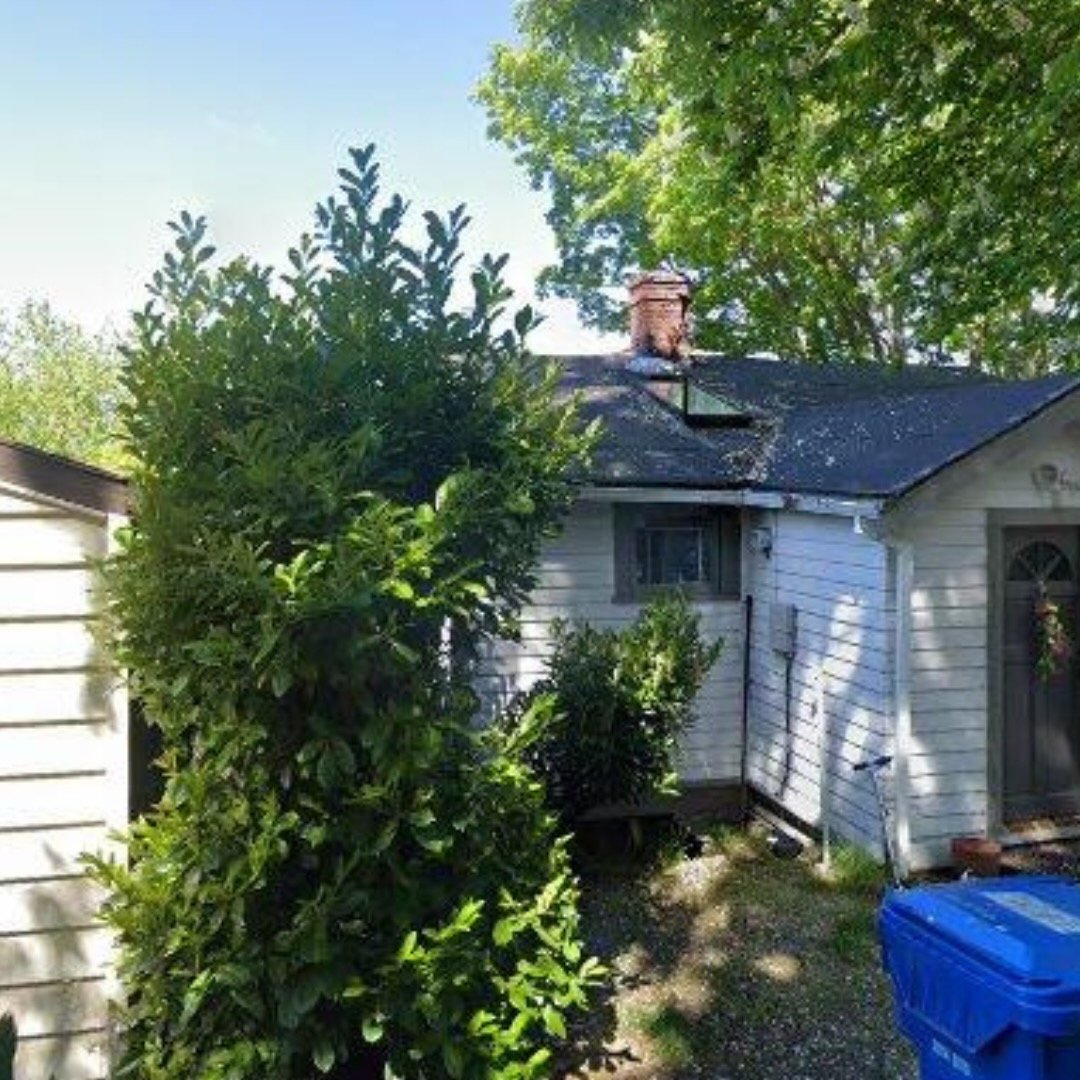
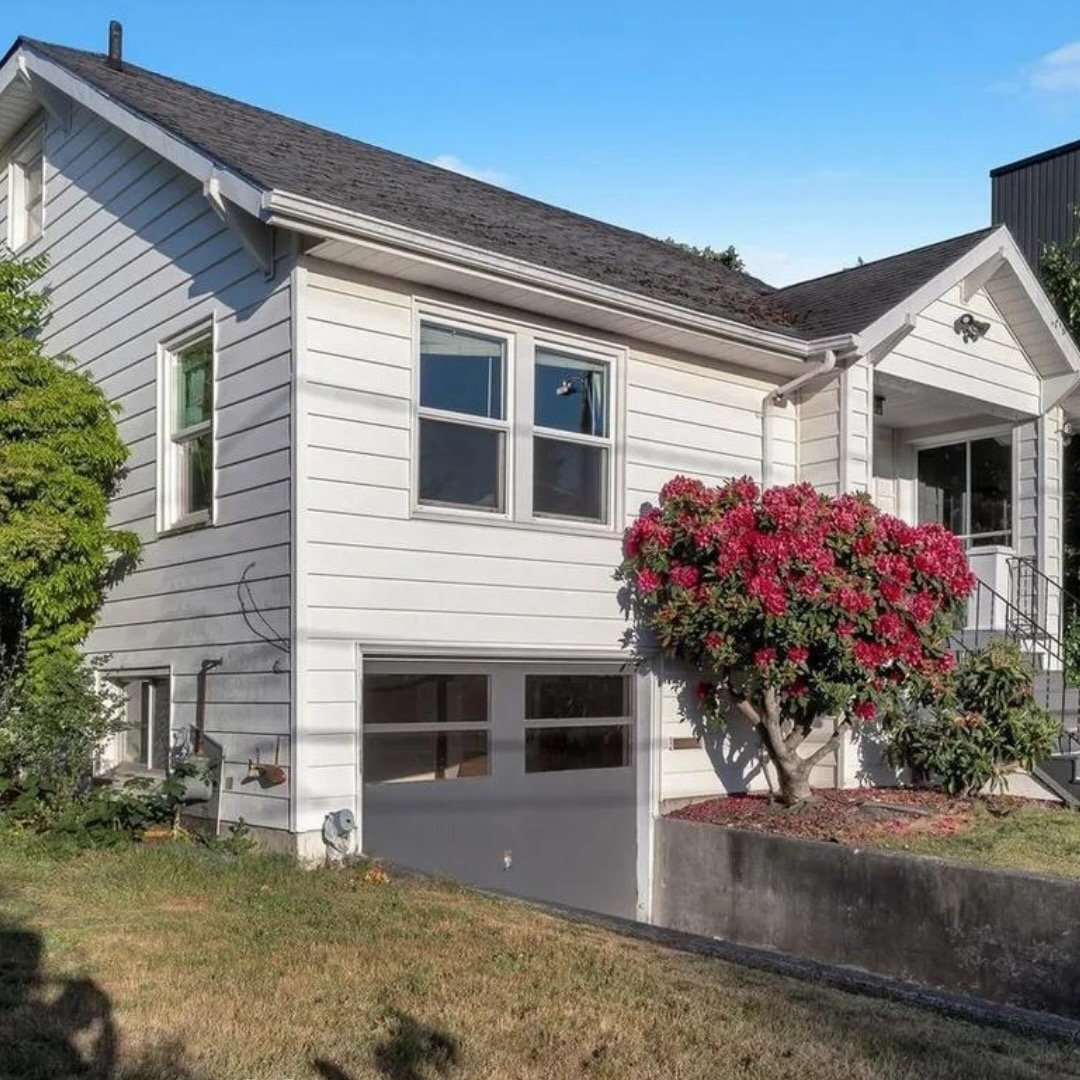
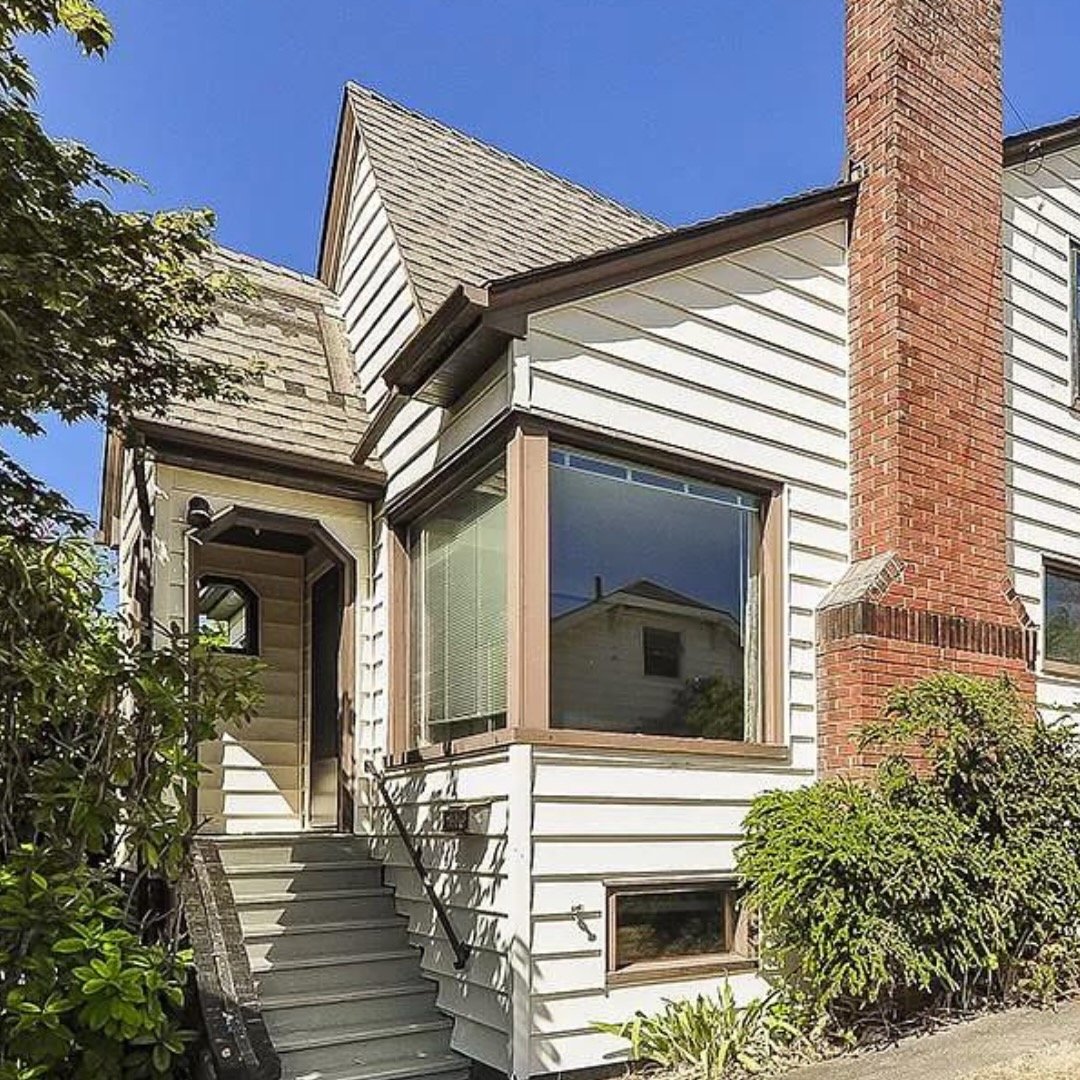
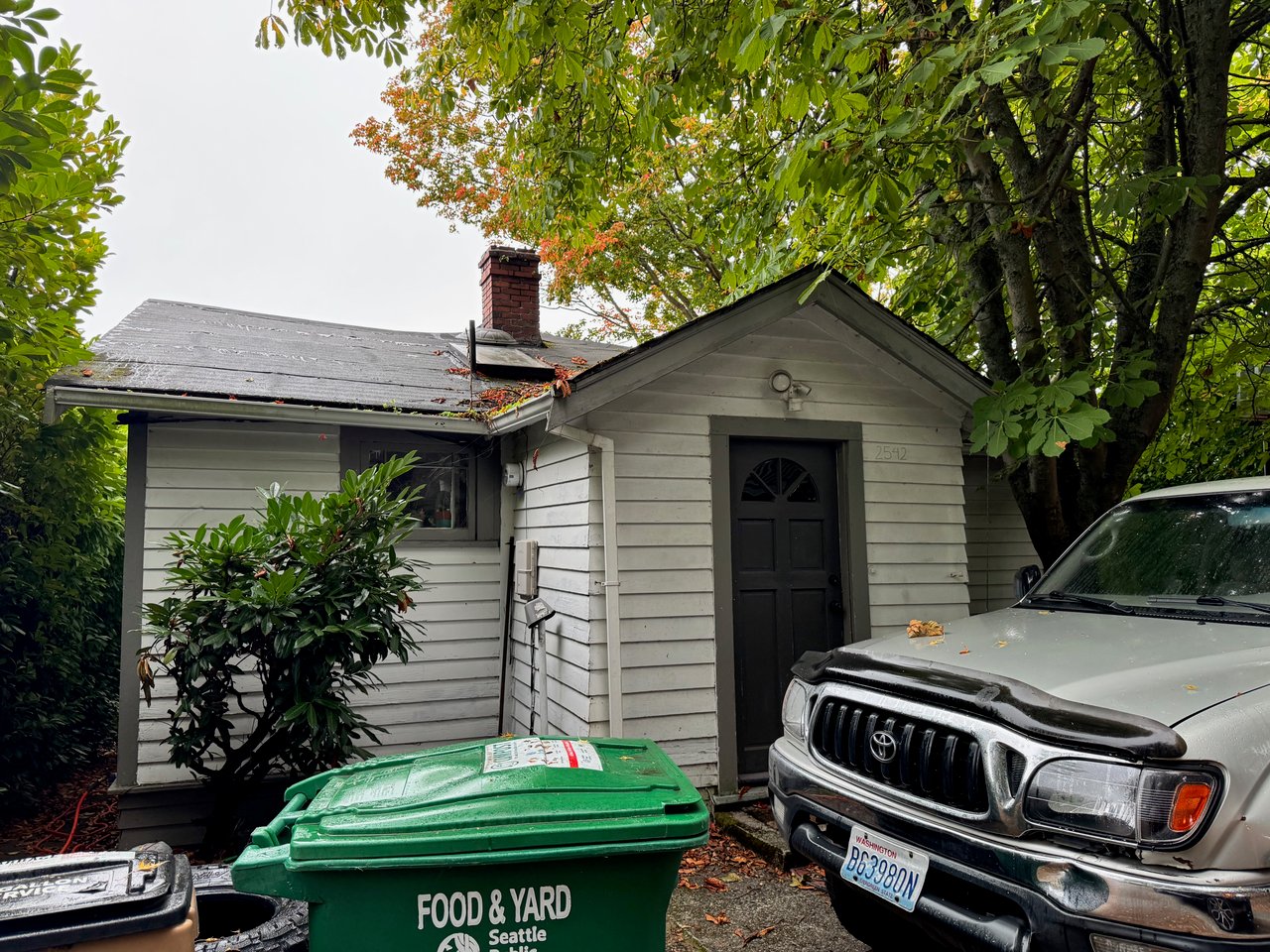
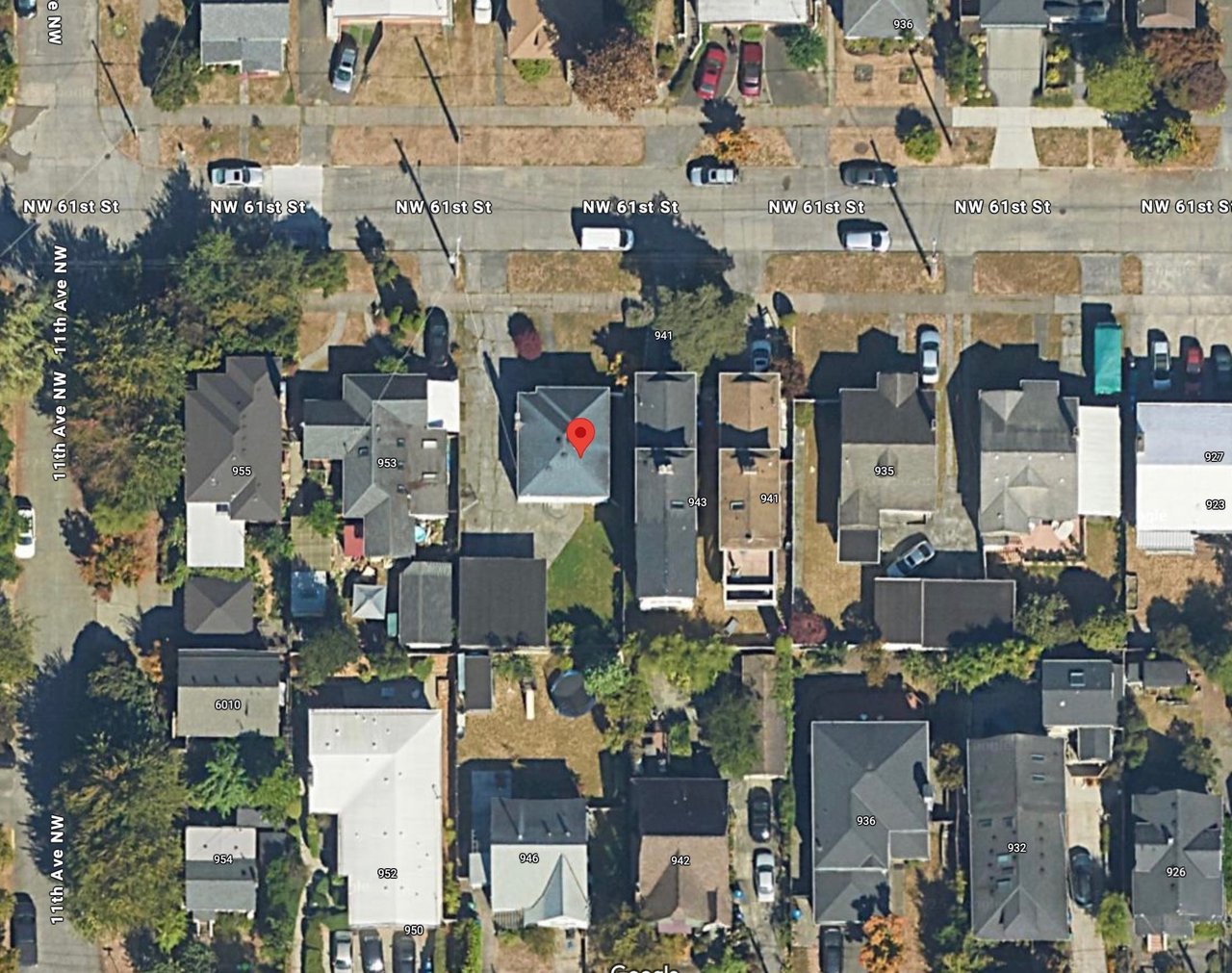
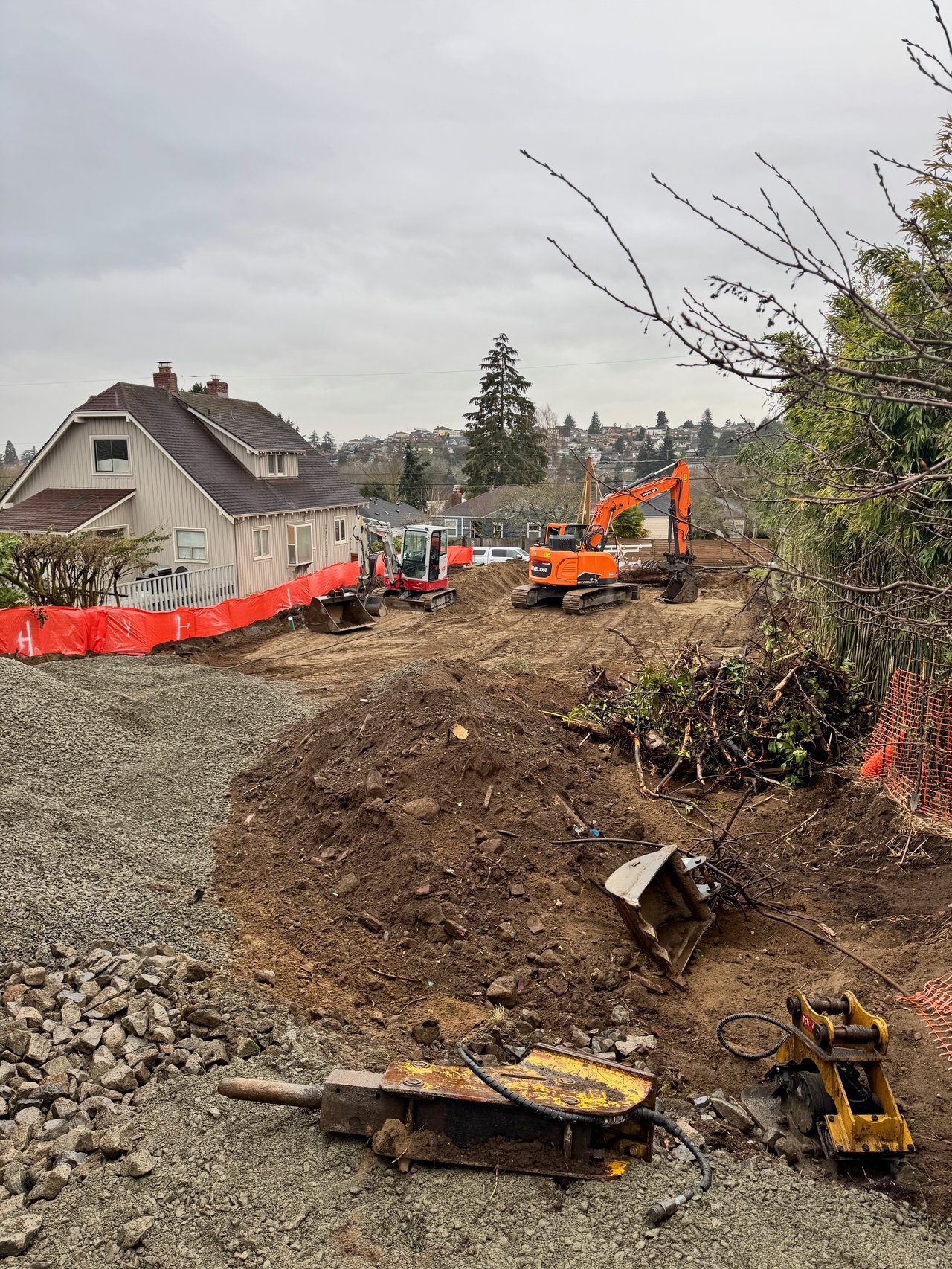
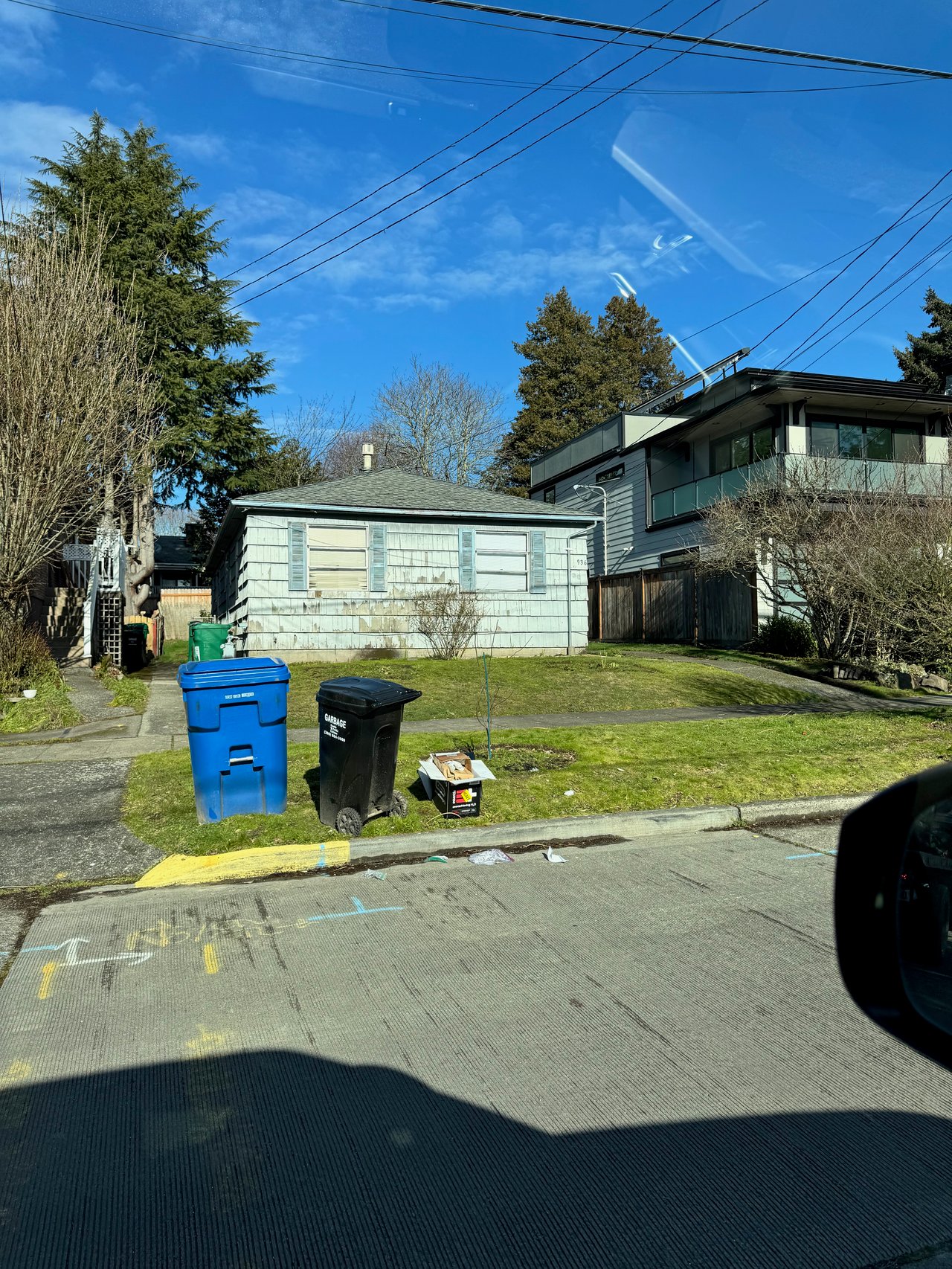
What ultimately came together was an assemblage of three properties totaling more than 25,000 square feet in the heart of Magnolia — land with the scale, location, and configuration to support meaningful residential redevelopment. The objective was not just to sell real estate, but to create alignment between multiple sellers and the right builder buyer, then structure a deal that made sense for everyone involved.


This was a transaction built over time, through trust, persistence, and a clear understanding of
how to unlock land value in a changing neighborhood.
  • Three-property Magnolia assemblage
    25,000+ total square feet of land
  • Builder-targeted disposition strategy
  • Long-term seller relationship development
  • Strategic buyer identification
  • Negotiation across multiple parties
  • Land value unlocked through assemblage strategy
  • Future redevelopment potential realized

Selling one home is one thing. Coordinating multiple property owners around a shared land-sale opportunity is something entirely different. The challenge with 30th Ave W was not simply finding a buyer. It was building the path to a deal.

That meant developing relationships over time, helping sellers understand the value of acting together rather than individually, and identifying a buyer who could recognize the full potential of the combined site.

Each side had different priorities, timelines, and concerns. The opportunity only worked if the right people could be brought to the table, the vision could be clearly communicated, and the economics could support a successful outcome for both sellers and builder.

The strategy began with recognizing that the highest and best use of these properties was not as isolated single home transactions, but as a coordinated assemblage.


That required a patient, deliberate approach centered on four things:

1. Relationship Building with Sellers
This opportunity was developed over time. Before any transaction could happen, there needed to be trust, education, and alignment among the sellers. The strategy involved helping each owner understand the broader value of the assemblage and what could be achieved by working together.

2. Identifying the Right Builder Buyer
Not every buyer can execute an assemblage. The target buyer had to understand Magnolia, see the redevelopment potential in the site, and have the capability to perform on a project of this scale. The strategy was not just to find interest, but to find the right fit.

3. Positioning the Land Through Its Development Potential
The value of the site came from more than lot size alone. It was about location, scale, configuration, neighborhood demand, and future residential use. The assemblage was positioned in a way that highlighted its strategic importance to builders looking for meaningful infill opportunities in Magnolia.

4. Negotiating Across Multiple Interests
Complex deals require careful balance. The negotiation strategy focused on creating a framework where all parties could see the value of moving forward. That meant navigating expectations, solving for concerns, and structuring a path that aligned both seller goals and buyer economics.

Once the groundwork was in place, execution became about coordination and control.

The process included:

  • maintaining ongoing communication with multiple sellers
  • aligning timing and expectations across the assemblage
  • presenting the opportunity through the lens of builder value
  • engaging the right buyer profile rather than pursuing broad, unfocused exposure
  • negotiating terms with an eye toward both feasibility and fairness
  • guiding the parties through a transaction that required trust and persistence at every
    stage

This was not a quick or passive sale. It was a highly intentional process that required staying close to the details while also keeping the larger vision intact.

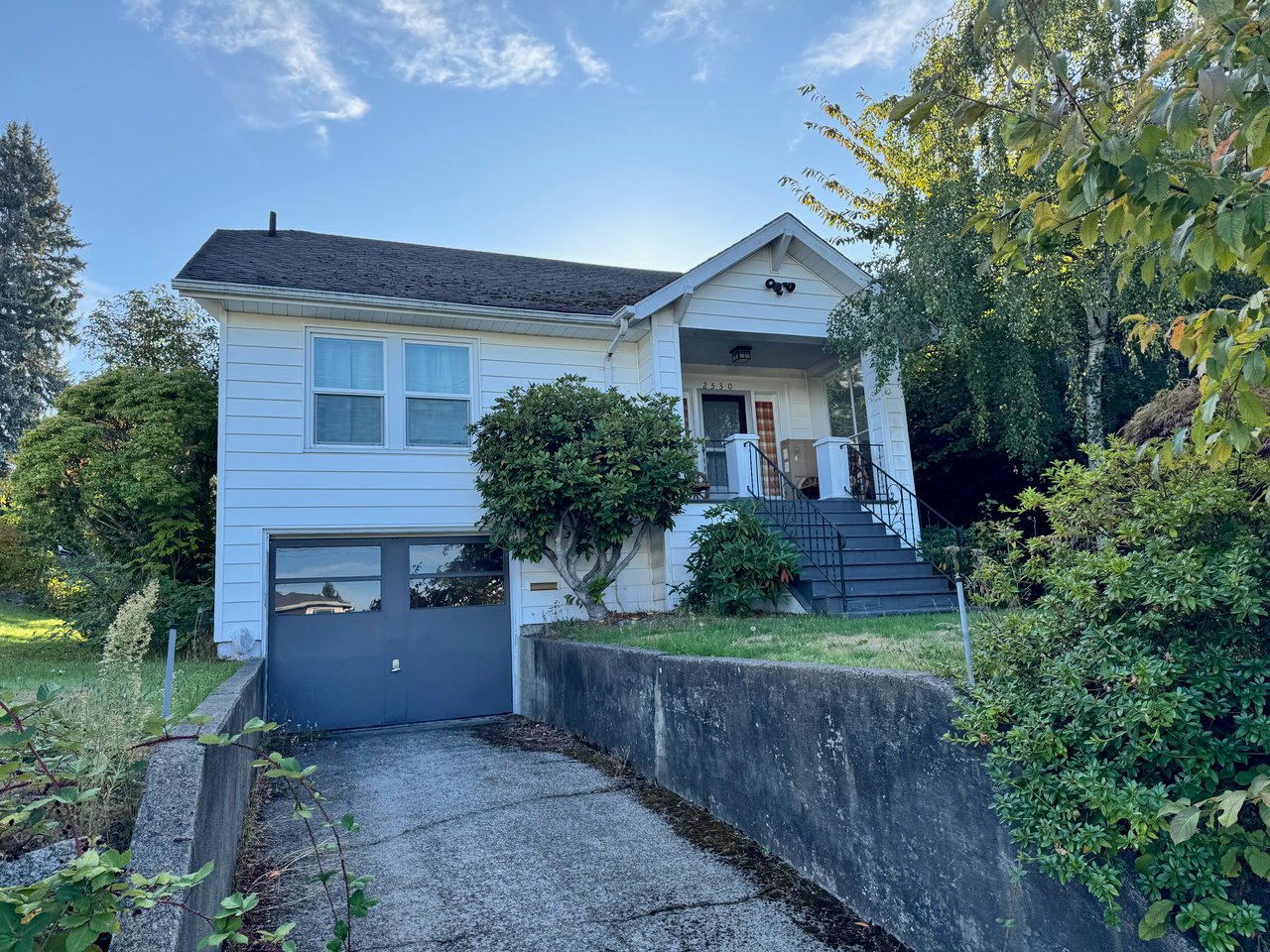
The result was a successful assemblage of three Magnolia properties totaling more than 25,000 square feet of land, sold to a builder for future redevelopment.

What began as separate ownership positions became a unified opportunity with meaningful value. The transaction created a strong outcome for the sellers while delivering a viable acquisition for the builder. In the end, the site moved from fragmented parcels to a coordinated development opportunity expected to produce 15 new homes and approximately $25 million in finished value.

30th Ave W – Magnolia is a clear example of how land value is often created, not just discovered.

In neighborhoods like Magnolia, some of the most significant opportunities come from understanding redevelopment patterns early, recognizing when assemblage can unlock a higher use, and having the relationships and market knowledge to bring the right parties together.

This case study reflects the kind of work that happens behind the scenes in complex land transactions — strategy, patience, negotiation, and the ability to see what a property can become long before the market fully catches up.

Own property in Magnolia and wondering if it may be worth more to a builder?

Own property in Magnolia and wondering if it may be worth more to a builder?

In some cases, the highest value is not in selling one lot alone, but in understanding how your property fits into a larger development opportunity. I’m happy to share insight on builder demand, assemblage potential, and what your land may be worth in today’s market.

2558 30th Ave W

Identifying builder demand. Positioning the opportunity. Delivering a high-value land sale.

A strategic disposition designed to position a single Magnolia property for builder interest and
unlock its highest value through redevelopment potential.

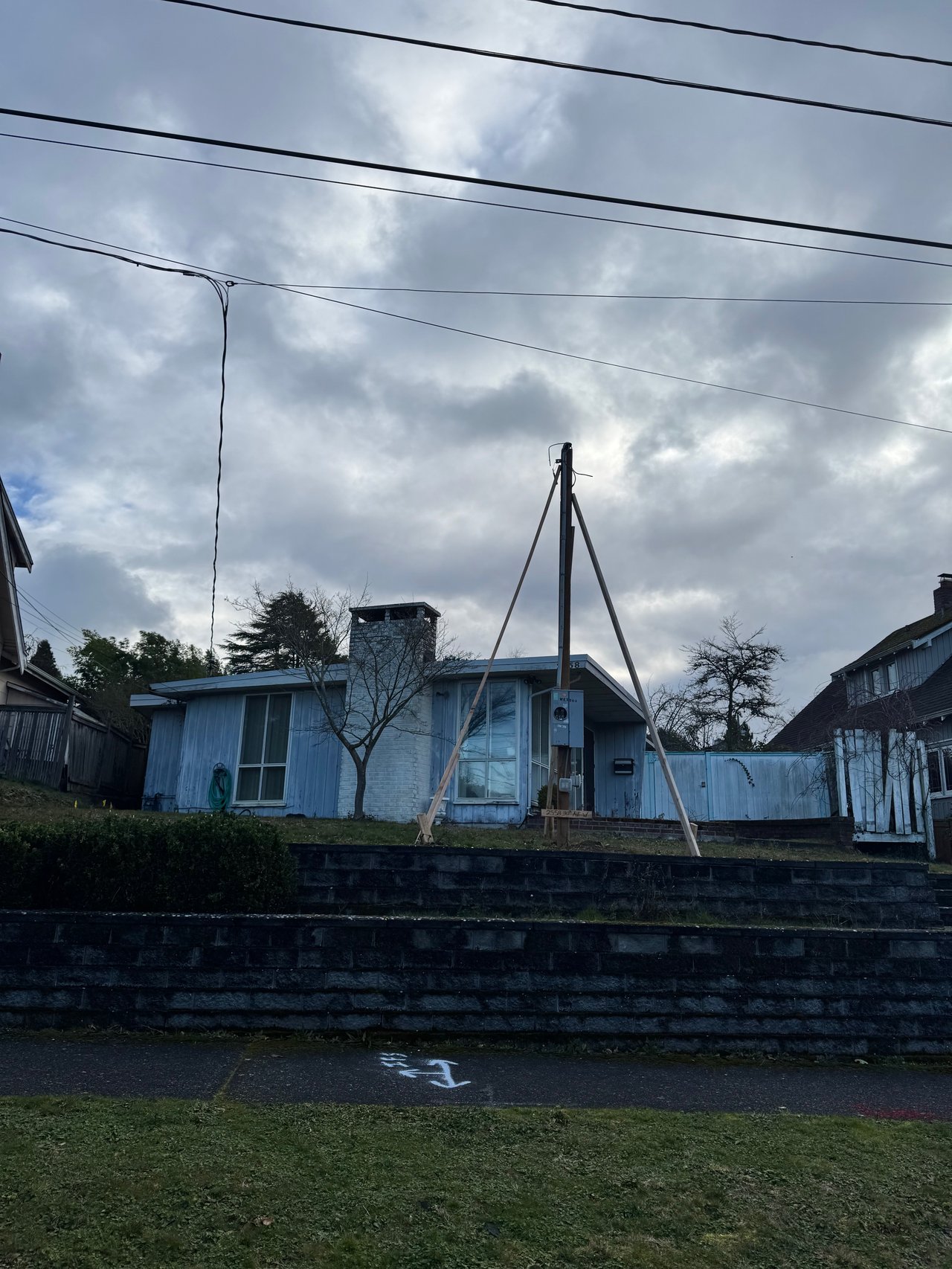
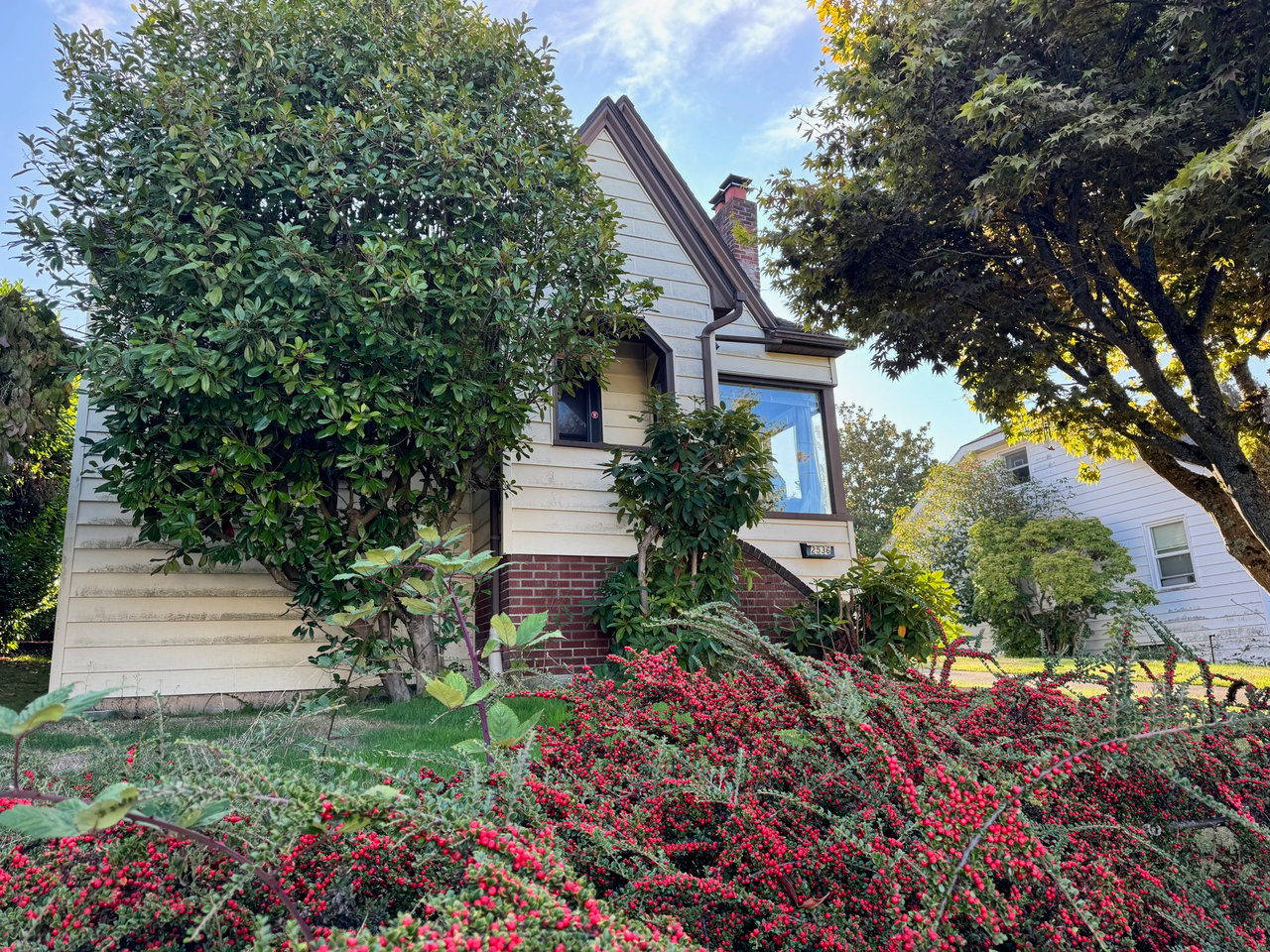
2558 30th Ave W was not marketed as a standard resale opportunity. From the outset, the value of the property was tied not only to the home itself, but to the underlying land, location, and redevelopment potential it offered in one of Magnolia’s most active pockets for new construction. Unlike an assemblage, this opportunity stood on its own. The strategy focused on recognizing the site’s highest and best use, identifying the right buyer profile, and positioning the property in a way that resonated with builders looking for strong infill opportunities in Magnolia.

This was a land-focused sale built around market knowledge, strategic positioning, and understanding how to connect a single parcel with the buyer most capable of unlocking its next chapter.

  • Single-property Magnolia land sale
  • Builder-targeted disposition strategy
  • Highest-and-best-use positioning
  • Infill redevelopment potential
  • Strategic buyer identification
  • Focused negotiation process
  • Land value unlocked without assemblage
  • Strong alignment between site and builder demand

The challenge with 2558 30th Ave W was making sure the property was viewed through the right lens. 

A standard residential approach could have understated the site’s true value and failed to  connect with the buyer most likely to recognize its potential. The opportunity required a strategy that went beyond traditional home marketing and instead focused on how a builder would evaluate the property — its location, lot characteristics, neighborhood demand, and potential end value after redevelopment.

The goal was not simply to sell the property, but to ensure it was positioned in a way that captured its full land value.

The strategy began with identifying the property’s highest and best use.
Rather than broadly marketing the home as a typical residential listing, the approach focused on
builder relevance and land potential. The objective was to align the property with a buyer who
understood Magnolia’s redevelopment trends and could see the value in the site beyond its
current improvements.

The strategy centered on four priorities:

1. Positioning the Site for Builder Appeal
The property was framed around what mattered most to a builder: location, lot utility,
neighborhood demand, and the opportunity to create future product in a high-demand area.

2. Understanding Highest and Best Use
The sale strategy was informed by how the site fit into broader redevelopment patterns in
Magnolia. Instead of limiting the conversation to current residential value, the property was
positioned in relation to what it could become.

3. Identifying the Right Buyer
Not every buyer evaluates opportunity the same way. The focus was on finding a buyer who
understood the neighborhood, recognized the value in the parcel, and had the vision and
capability to move forward with redevelopment.

4. Negotiating Around Real Land Value
Once positioned correctly, the negotiation centered on protecting the value of the site and
aligning terms with the strength of the opportunity. The process was designed to create a
transaction that reflected the property’s development potential rather than just its existing
condition.

Execution required a focused and intentional process. 

Rather than relying on broad market exposure alone, the sale was approached through the lens of targeted positioning and buyer alignment.

The process included:

  • presenting the property based on land and redevelopment value
  • connecting the opportunity with the most relevant buyer profile
  • communicating the site’s strengths clearly and strategically
  • maintaining a negotiation process centered on builder economics and site potential
  • guiding the transaction from opportunity recognition to successful execution


This was a more specialized sales process than a traditional residential listing. It required understanding both the local housing market and the way builders assess risk, value, and future upside.

The result was a successful Magnolia land sale that aligned the property with the right builder buyer and unlocked value through strategic positioning rather than assemblage. 

2558 30th Ave W demonstrates that a single parcel, when properly understood and marketed through its highest and best use, can command strong interest and create a meaningful redevelopment opportunity on its own.

2558 30th Ave W is a strong example of how builder-oriented strategy can change the outcome of a sale.


Not every valuable land opportunity requires multiple parcels. In the right location, a single property can carry meaningful redevelopment value — but only if it is positioned correctly, marketed to the right audience, and negotiated with a clear understanding of what makes it valuable.


This case study reflects the importance of recognizing land potential early and knowing how to translate that potential into a successful sale.

Curious whether your Magnolia property could appeal to a builder?

Curious whether your Magnolia property could appeal to a builder?

Some homes are worth more than their current use suggests. If you're considering selling, I’d be happy to share insight on redevelopment potential, builder demand, and how to position your  property for the strongest outcome.

945 NW 61st Street

Let's Talk Today

Get assistance in determining current property value, crafting a competitive offer, writing and negotiating a contract, and much more. Contact us today.